
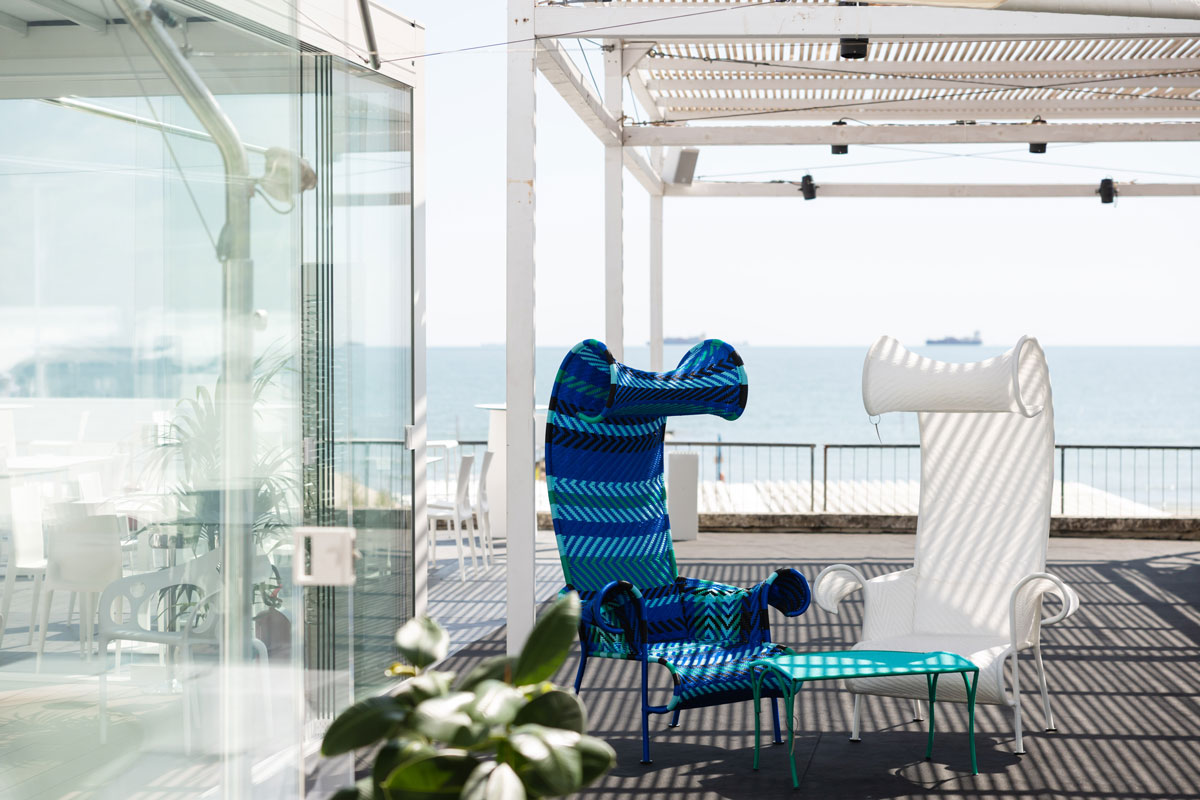
At Venice’s Terrazza Biennale, Moroso Venice brings together design, craftsmanship and cinematic glamour. Italian design house Moroso returns to the 83rd Venice International Film Festival, furnishing the exclusive Terrazza Biennale with a selection of pieces that sit naturally at the intersection of art, craftsmanship and contemporary design.
Moroso Venice Meets the Film Festival
For twelve days each September, the world of cinema descends upon Venice, bringing filmmakers, actors, artists and cultural figures to the Lido for one of the year’s most anticipated celebrations of film. This year, Moroso takes its place among them. From 2 to 12 September 2026, Italian design house Moroso returns to the 83rd Venice International Film Festival, furnishing the exclusive Terrazza Biennale with a selection of pieces that sit naturally at the intersection of art, craftsmanship and contemporary design.
Just steps from the Red Carpet, Terrazza Biennale becomes a meeting place throughout the festival, curated by chef Tino Vettorello and Tino Eventi. Against this distinctly Venetian backdrop, Moroso brings together three designs with very different origins, yet a shared sense of movement, character and sculptural expression.
Three Designs, Three Stories
Among them is Shadowy, designed by Tord Boontje. The seating takes its cue from the traditional beach chairs of 1920s Northern Europe, reinterpreting their familiar, lightweight structure through the richness of African craftsmanship. There is something particularly fitting about its presence on the Lido, where the language of the classic beach chair meets a more contemporary and unexpected material story.
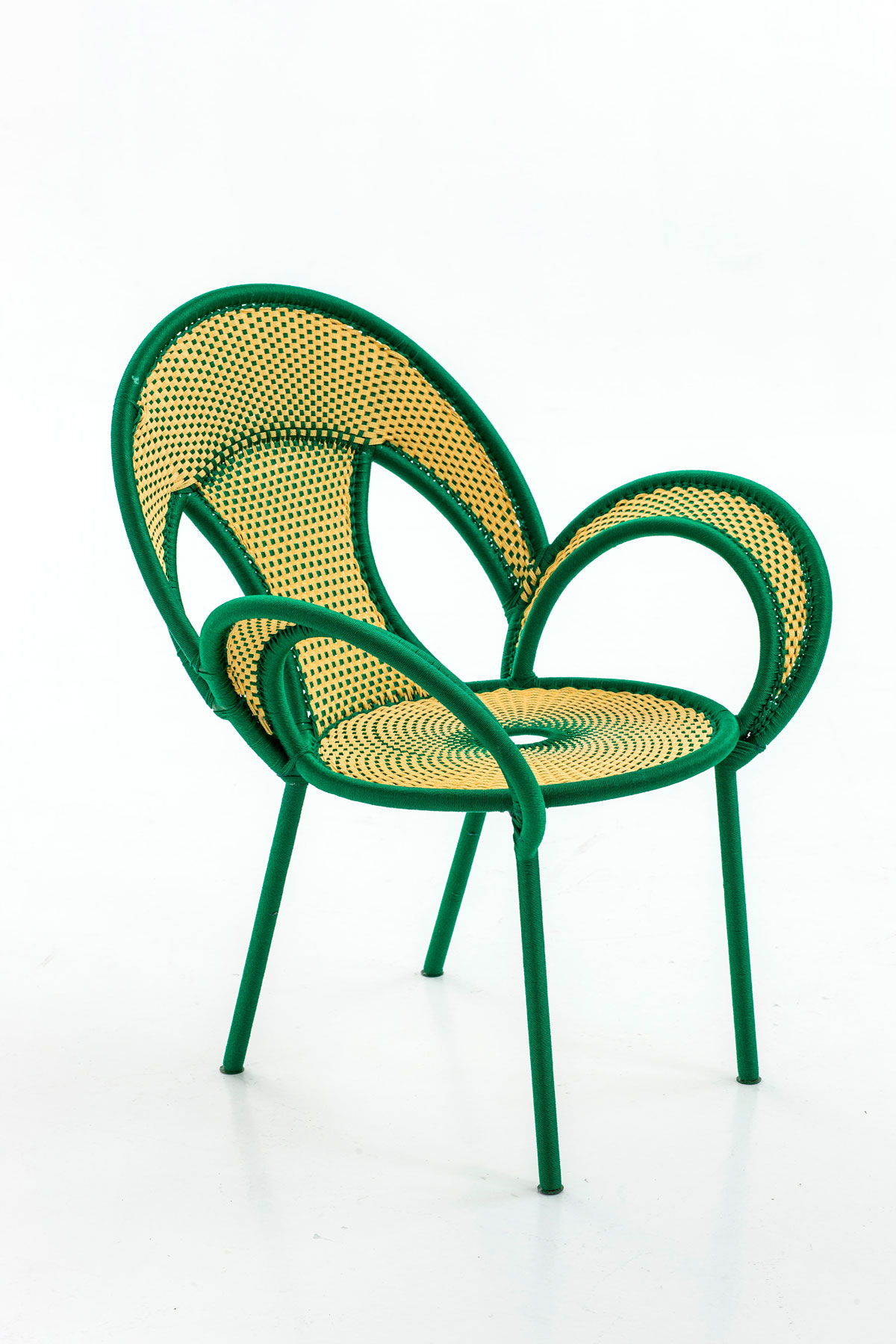
Then comes Banjooli, Sebastian Herkner’s expressive collection inspired by the courtship dance of the male ostrich. Named after the Wolof word for the bird, Banjooli captures the moment when the ostrich spreads its wings to make itself more beautiful. In Herkner’s hands, that gesture becomes furniture, its sweeping lines and dynamic form giving the chairs, armchairs and tables an almost animated quality. In Venice, a selection of Banjooli tables will take their place on the terrace.
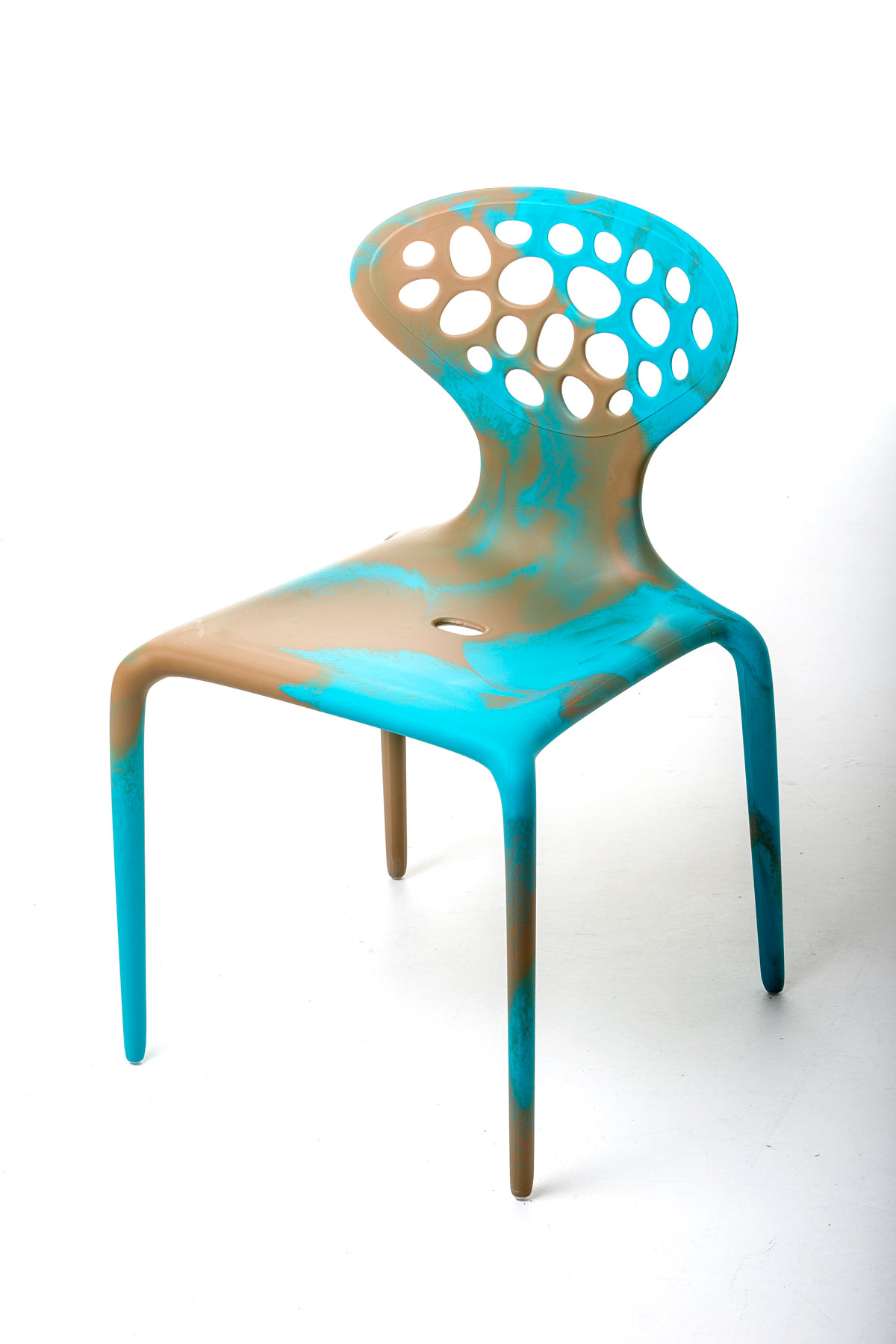
Completing the setting is Supernatural, Ross Lovegrove’s now-iconic chair for Moroso, first introduced in 2005. Born from research into organic forms and injection-moulding technology, its fluid silhouette balances solid surfaces with open spaces. Made from glass-fibre-reinforced polypropylene, it is remarkably light, durable and stackable, equally at home indoors or beneath the Venetian sky.
Together, the three designs demonstrate something central to Moroso’s approach: that furniture can occupy the space between function and expression. Each piece begins with a different idea, whether a traditional object, an animal’s movement or the forms of nature, and transforms it through technology, craftsmanship and imagination.
The setting adds another layer to that story. Rather than treating the furniture as a backdrop to the festival, Terrazza Biennale allows the pieces to become part of its social rhythm, surrounded by conversation, dining and the constant movement of people arriving and leaving the Lido. The designs are experienced as objects, but also as part of the atmosphere of the evening.
That makes the collaboration with Venice feel particularly apt. Cinema, after all, has always been about transforming ideas into atmosphere, giving form to stories and making the familiar appear newly strange. Moroso arrives at the festival with much the same instinct.
And that’s how at Terrazza Biennale, Moroso became a part of the scene.
Also Read: Amazonico brings exotic marbles to Indian Design.