
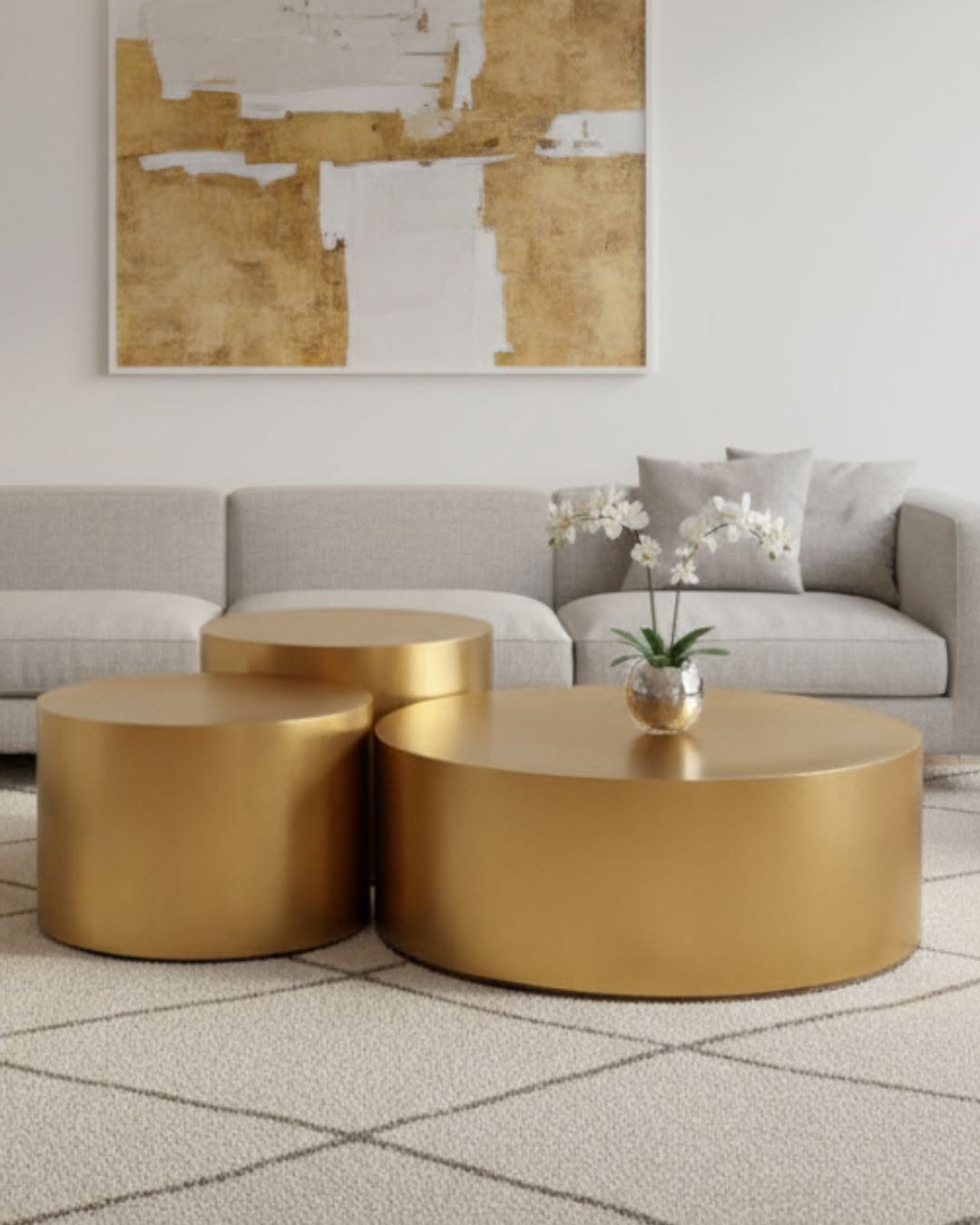
Luxury furniture from India doesn’t announce itself with heritage narratives or colonial nostalgia. Fusion Access, handmaking since 1997 from a repurposed factory space on Reay Road in Mumbai, treats craft as architecture rather than decoration. The studio occupies a historic location adjoining a Grade I railway station in a neighborhood where goat sheds exist beside luxury apartments and maritime history meets the Eastern Expressway. This friction, this collision between industrial Bombay and contemporary commerce, permeates how the brand thinks about materials and function.
Luxury furniture from India, rooted in place
Founded by Shilpa Kalanjee, an interior architect who chose furniture as her medium, Fusion Access refuses the typical luxury brand posture of distance from production. Showroom, factory, design studio, and digital space occupy the same roof. This structural choice matters operationally. When designers inhabit the same building as fabricators, when production happens in visible proximity to sales, the relationship between concept and execution transforms entirely. The client doesn’t purchase a finished image; rather, the actual thinking is visible in the work.
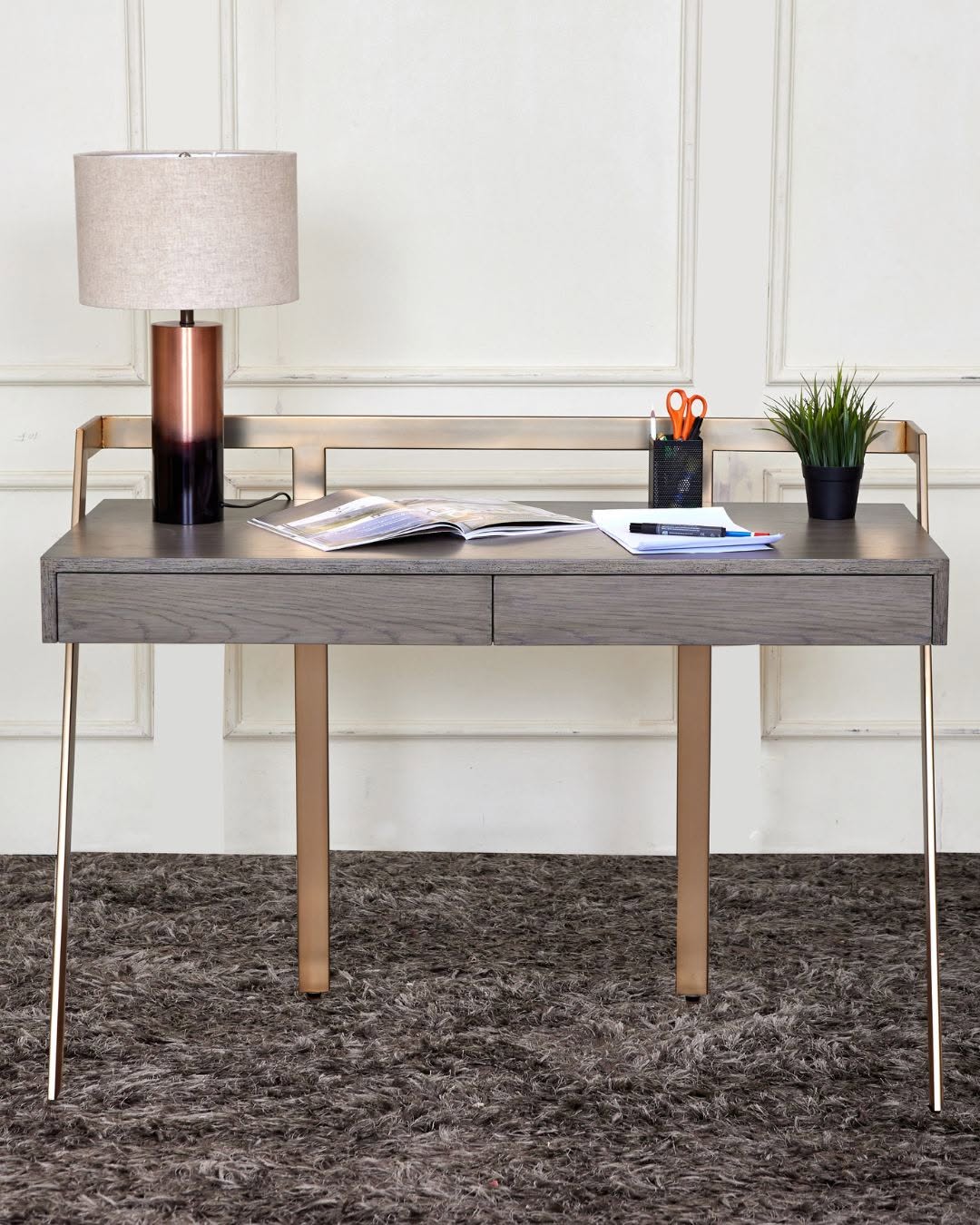
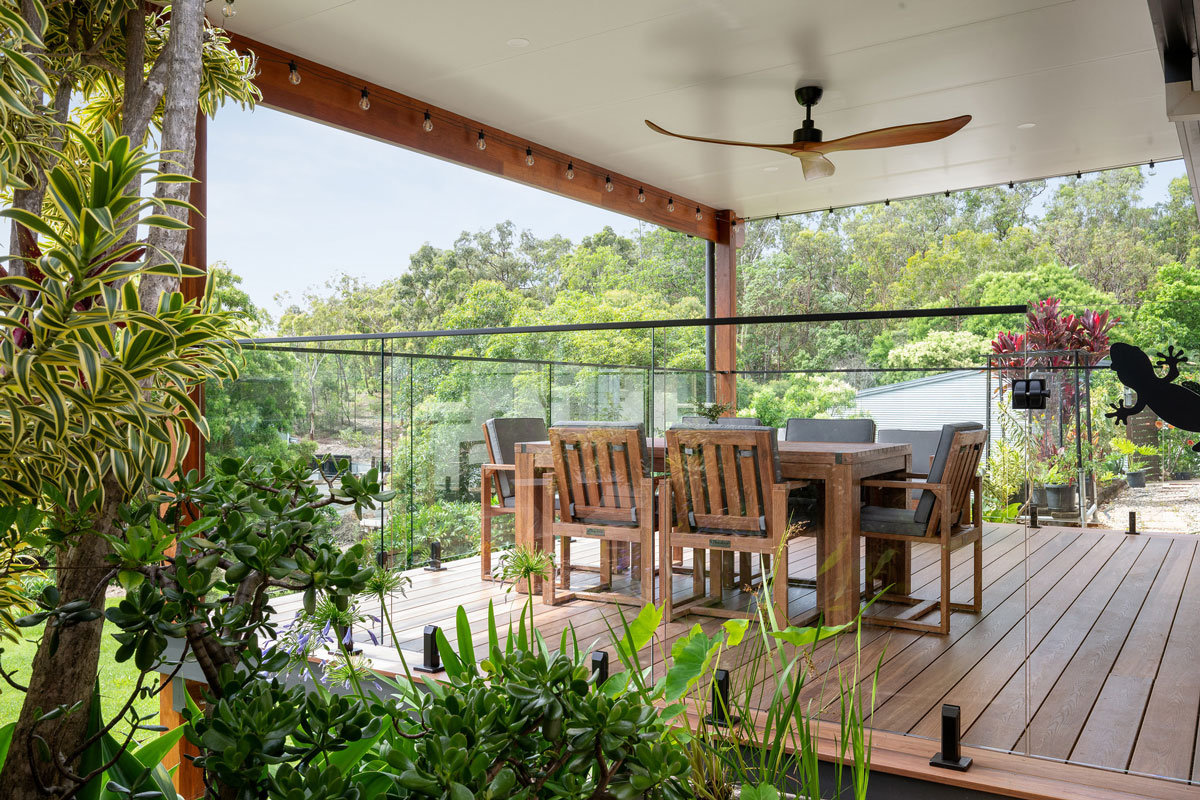
The brand’s philosophy centers on designing beyond trend and time. But this isn’t code for timelessness or classical restraint. Instead, it means each piece carries conversations between contemporary necessity and structural integrity. A bar stool becomes an argument about proportion. An ottoman becomes a study in how material meets function without apology. Cabinets blur between functionality and aesthetic investigation. Nothing exists to be looked at. Everything exists to be inhabited.
Luxury furniture from India, built in plain sight
The team structure reveals the brand’s actual operation. Minnal, a marine biologist turned furniture manufacturer, brings analytical rigor and material knowledge that push boundaries toward what seems impossible. Ashutosh coordinates between multiple stakeholders with two decades of production experience. Preetam manages content and strategy. This composition suggests less a design house and more a research laboratory where luxury emerges from problem-solving rather than predetermined vision.
Fusion Access works in brass, in lucite, in cane, in materials that carry their own histories and limitations. A brass lucite gift box, as a material dialogue, rendered functional. Free-form brass platters, bronze patina trays, ribbed glass vases. These pieces read as investigations into how different materials speak when forced into conversation with each other.
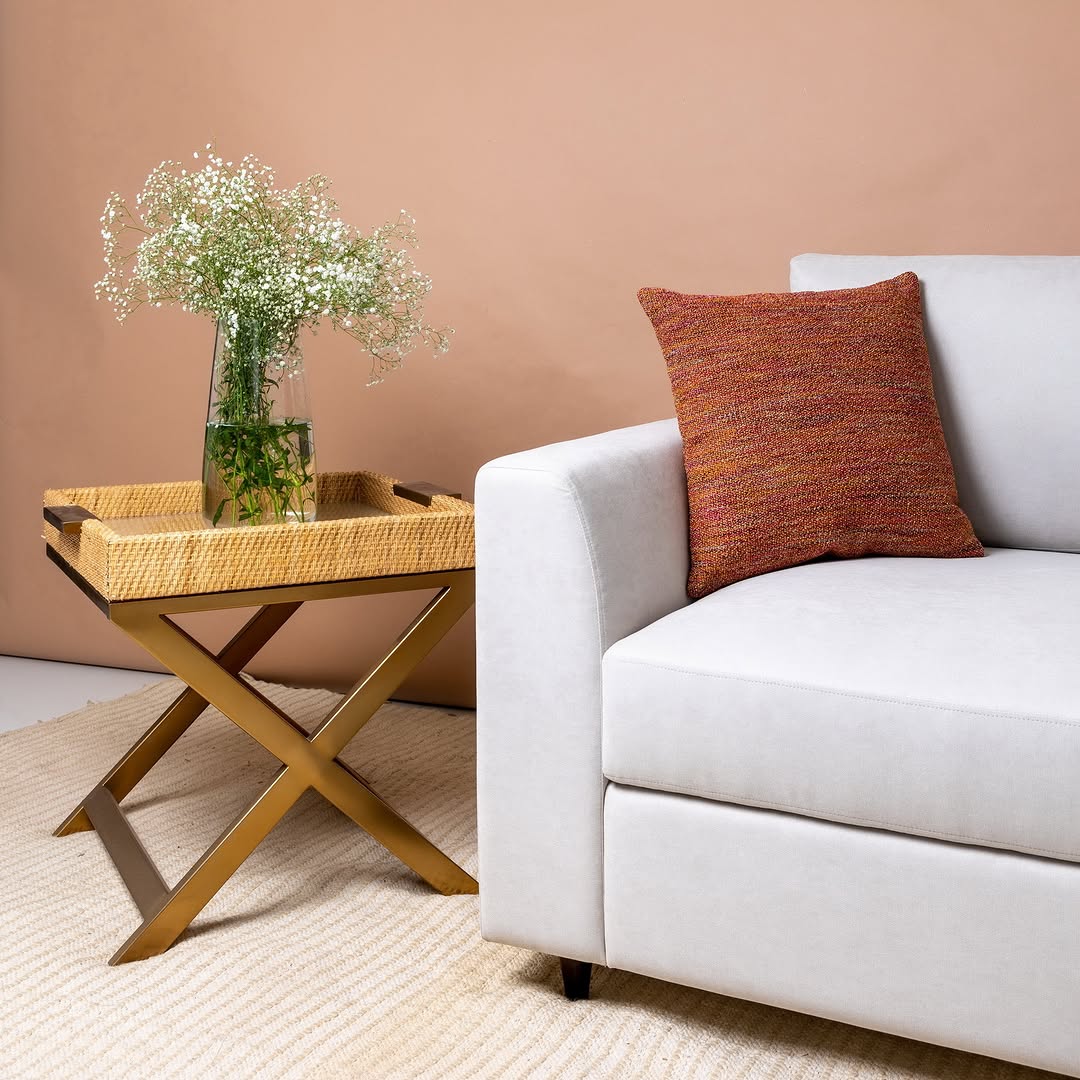
What distinguishes the brand internationally is production discipline. Every piece is handmade, and variations exist. The variation isn’t hidden or minimized; it’s visible as proof of human decision-making happening inside the fabrication process. A Chandigarh chair doesn’t feel identical to its neighbor. The difference proves the maker was present, that choices happened continuously during construction rather than at the blueprint stage.
Also Read: Brass lighting built on craft, and not on compromise.