
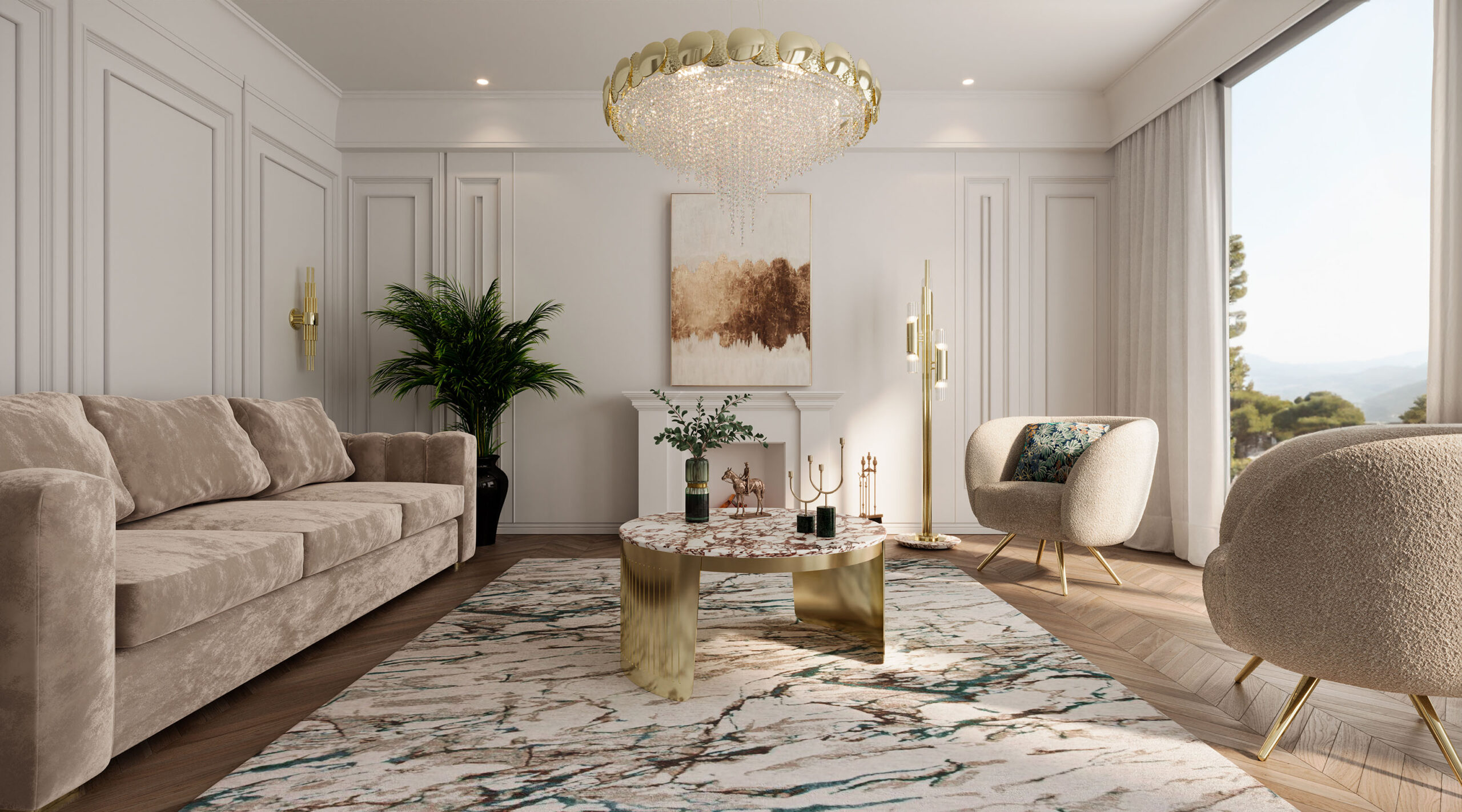
Portuguese brass work that competes on consistency, not story. Castro Lighting has spent 45 years doing something increasingly rare: refusing to compromise on how light fixtures are made. Founded in 1978 by Modesto Castro, the Portuguese brand began with a straightforward mission: to distribute proper luxury lighting and has stuck to it without the usual corporate drift toward mass production or marketing spin.
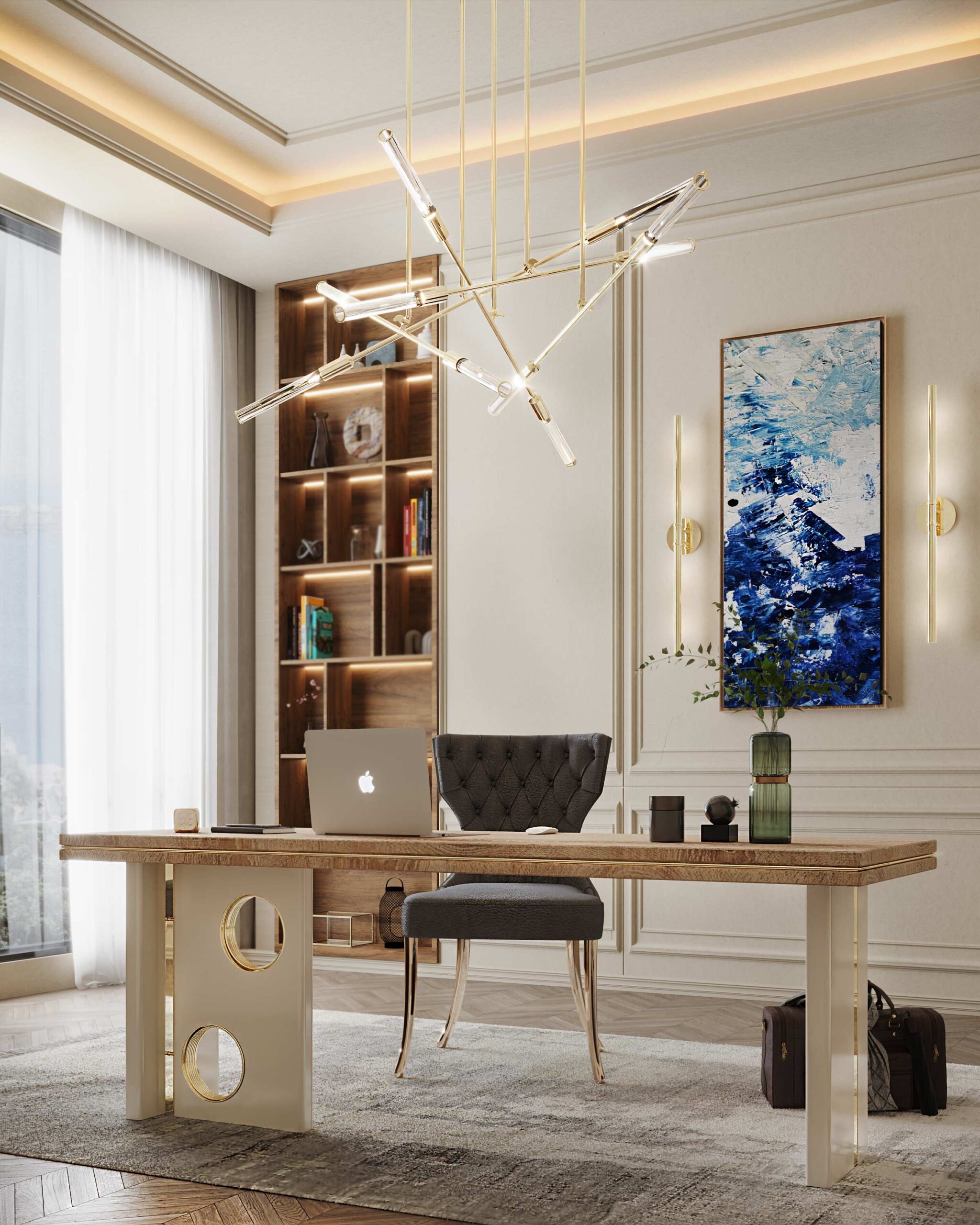
What matters here is the actual work. Castro’s factories in Portugal still employ traditional brass-working techniques that can’t be mechanised without losing something essential. The difference shows immediately. Their pieces aren’t styled to look handmade; they’re handmade because the process demands it. Hammered finishes, polished brass, precision metalwork, these reflect genuine constraints, not design affectation.
Brass lighting shaped by discipline, not decoration
The Metier Collection exemplifies this approach. Rather than chase trends, it responds to a specific problem: how to create brass lighting that works in contemporary spaces without sacrificing craft. The solution involves overlapping cylindrical tubes, premium glass components, and disciplined finishes. It’s architecturally confident without being showy. Architects and interior designers specify it because it works; the aesthetic follows function.
Customisation matters to Castro in ways that feel authentic. They don’t offer endless variations; they work with designers on genuine solutions for specific spaces. This distinction matters. It means the brand actually talks to the people implementing their work, rather than pushing pre-designed collections.
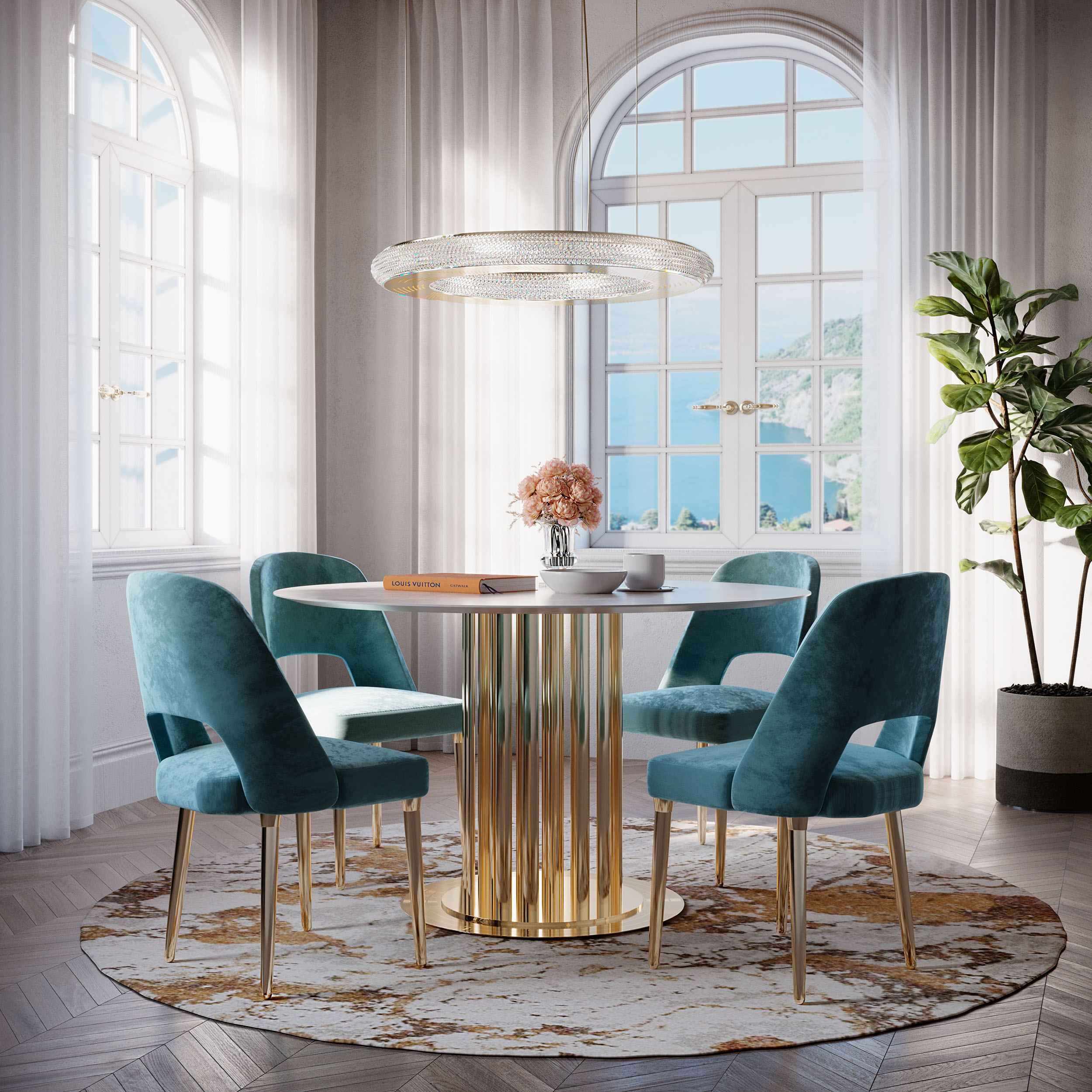
The Portuguese connection isn’t incidental. Castro operates within a tradition of metal-craft that’s genuinely rooted in place. That’s not romantic positioning, it’s simply how the work happened to develop. The brand has built its reputation by acknowledging this heritage while remaining contemporary, which requires constant negotiation rather than nostalgia.
Why brass lighting at Castro prioritises craft over narrative
What’s notable is restraint. Castro doesn’t oversell itself. You won’t find breathless copy about artisanal soul or timeless beauty. The brand lets the work speak, which in the luxury market is increasingly uncommon. Forty-five years of consistent output, international recognition among actual designers and architects, and presence in serious publications accumulate quietly.
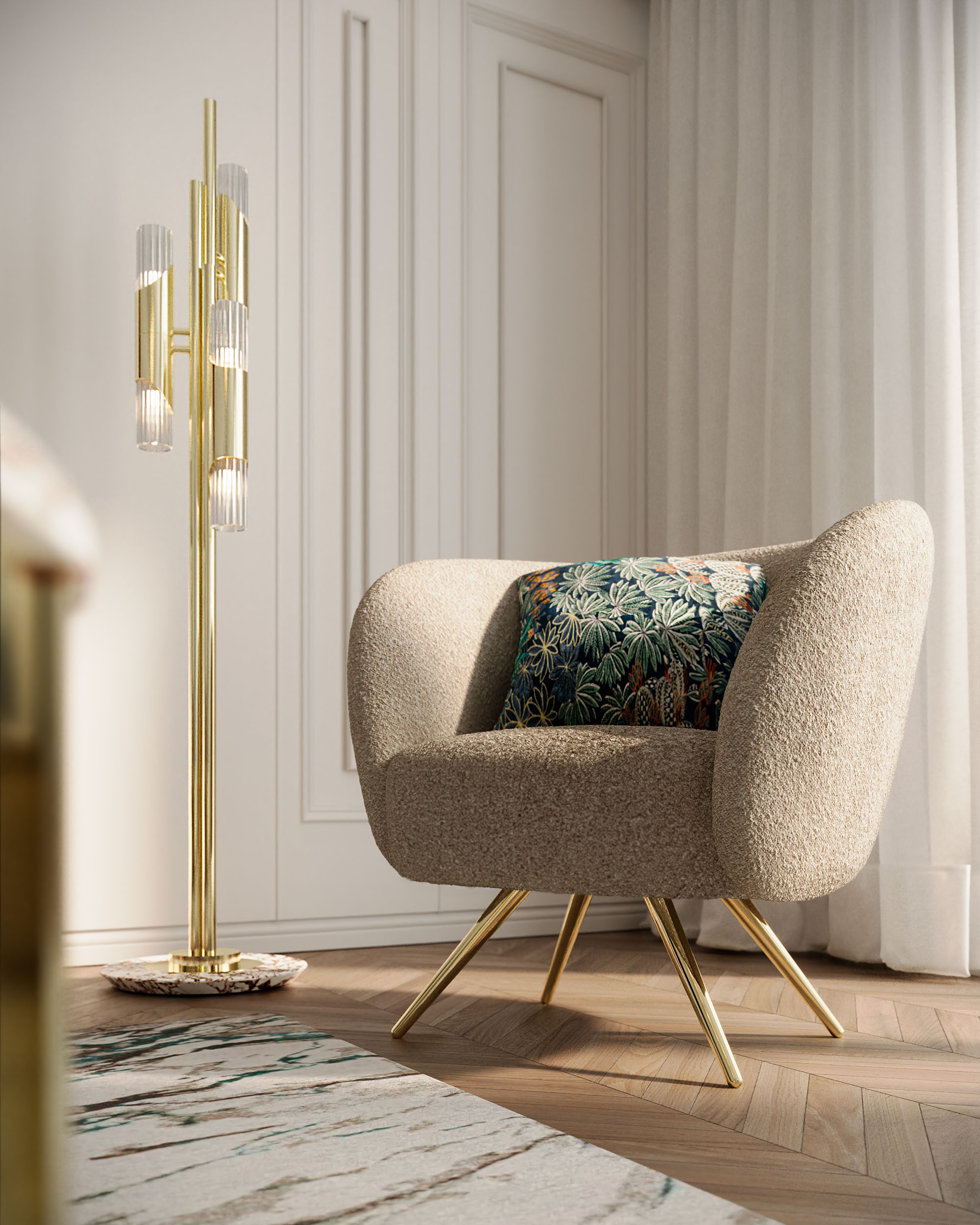
For anyone serious about interior lighting, Castro represents something increasingly valuable: a company that treats production as a craft worth protecting, not a constraint to optimise away. That distinction shapes everything—from material selection to finish quality to how willing they are to customise for specific projects. In a market saturated with rapid turnover and designed obsolescence, Castro’s insistence on durability and function feels almost subversive. It suggests that some businesses still measure success not by volume or trend dominance, but by the simple fact that what they made forty years ago still works beautifully today.
Also Read: House of Migo wedding season jewellery edit.